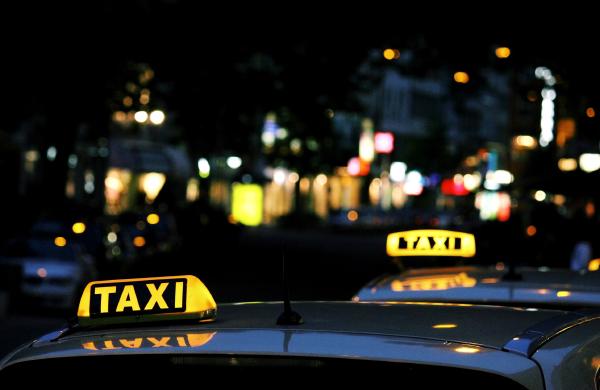
ℹ️ Short answer: Yes, Budapest is safe. The US State Department rates Hungary Level 1 (its lowest), and the 2026 Global Peace Index puts Hungary 15th of 163 countries. What goes wrong for visitors is almost always about money: pickpockets on crowded transport, bars that overcharge tourists and pressure them to pay, unlicensed taxis and poor exchange rates. Drink only where you chose to go, use a yellow licensed taxi or an app, and pay in forints. In an emergency, call 112. Is Budapest safe? For your body, very; for your wallet, mostly, provided you know the four or five ways visitors actually get caught out. None of them involves dark alleys. They involve a charming stranger who knows “a great bar”, a taxi that isn’t really a taxi, and a card machine offering to charge you in your home currency.
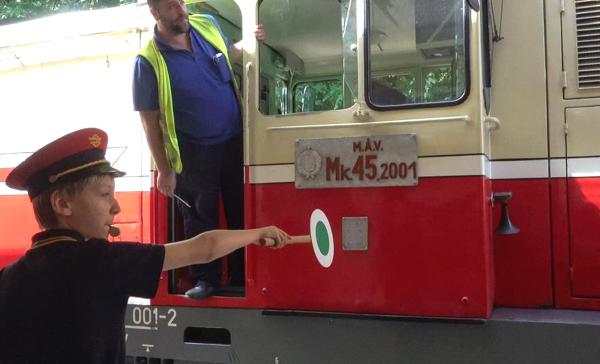
ℹ️ Short answer: Budapest with kids works best in three days: Day 1 in City Park (zoo and a free playground), Day 2 on Castle Hill (a cave tour and a daytime river cruise), Day 3 in the Buda Hills and on Margaret Island (the Children’s Railway, the chairlift and Palatinus Strand). For a family of four with children aged 7 and 10, budget about 108,000–161,000 HUF (about €295–440) for transport and sights. The big rule: Széchenyi and Rudas don’t admit under-14s, so Palatinus is your bath. The first thing to know about Budapest with kids is that the city’s most famous experience is off limits to them: Széchenyi Baths stopped admitting under-14s on 1 August 2025, and Rudas doesn’t take them either. The rest is good news: a big zoo next to that bath, a railway run by children, caves under the city, and a bath on Margaret Island that welcomes families.
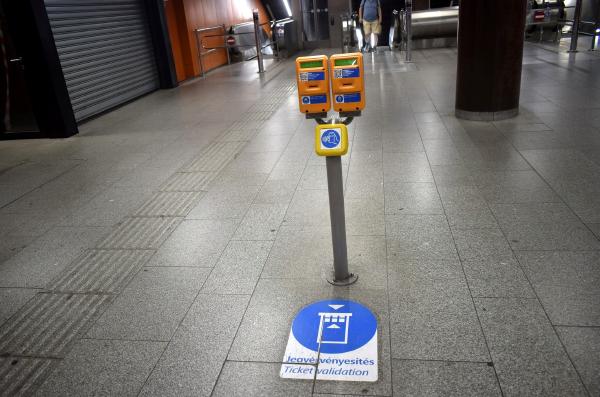
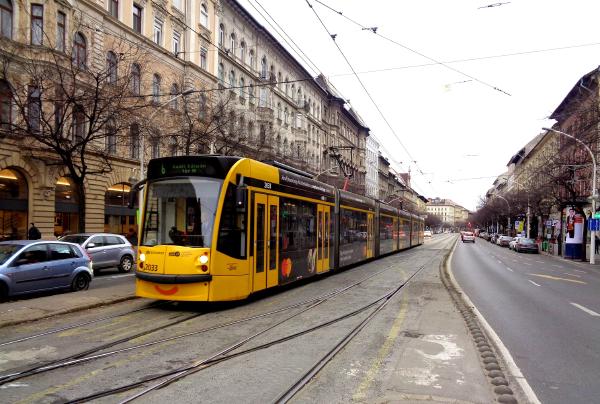
ℹ️ Short answer: Budapest public transport costs 500 HUF (about €1) per single ticket, 2,750 HUF (€8) for 24 hours and 5,750 HUF (€16) for 72 hours, as of October 2026. If you’ll ride more than five times a day, buy the travelcard; if you walk most places, tap your bank card at the metro gates and buy singles for the rest. Contactless only works on the metro and the 100E airport bus, not on trams or ordinary buses. Budapest public transport is cheap, frequent and slightly more complicated than it needs to be. The metro takes a tap of your bank card, the tram next to it doesn’t, and a single ticket stops being valid the moment you change from a bus to a tram. None of that is hard once you know it, and most of the guides ranking for this still quote the old prices.
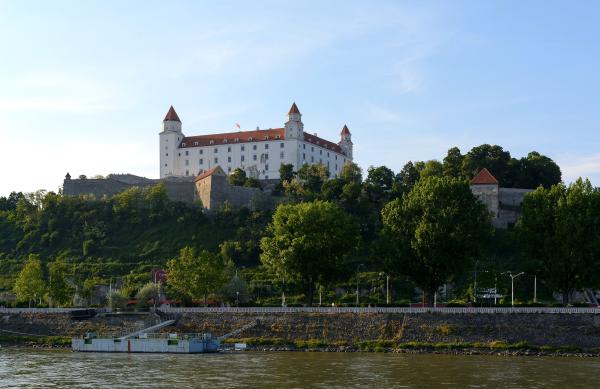
ℹ️ Short answer: Vienna works as a day trip from Budapest, but only with an early train: about 2 h 25 min from Kelenföld (2 h 50 min from Keleti during 2026 works), advance tickets from €13, and the last train back at 21:40. Bratislava is the easier day: 2 h 25 min from Nyugati, from €14, and a small old town you can see without rushing. Doing both in one day is possible by train or on a 12-hour guided tour from €177, but you’ll only skim each. A Vienna day trip from Budapest is worth it if you want one palace, one cathedral and a coffee house, and not worth it if you want Vienna. That’s the honest verdict. You spend about five hours on trains for seven to nine hours in the city. Bratislava, on the other hand, fits into the same day comfortably. This guide gives the 2026 train times and fares from MÁV, a realistic plan for each city, and a clear call on when a tour that does both is worth €177.
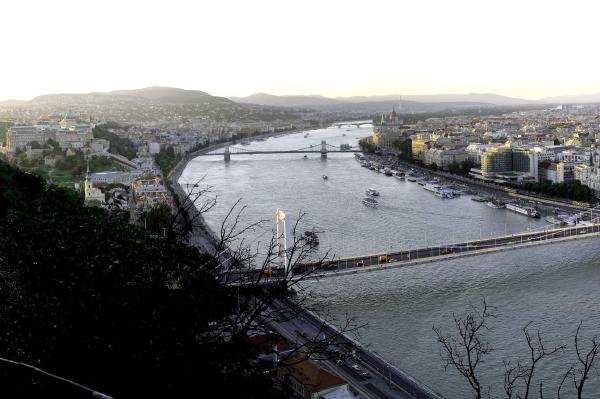
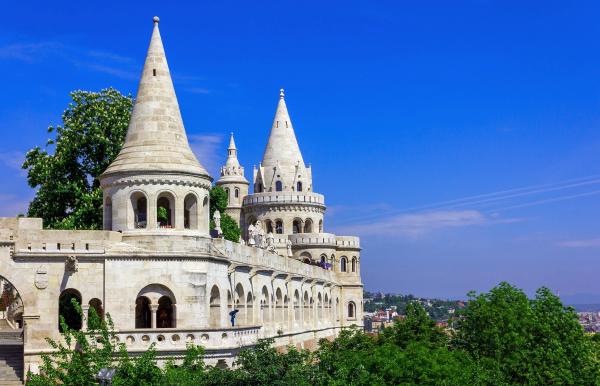
ℹ️ Short answer: One day in Budapest is enough for the essentials if you walk it in one line: St Stephen’s Basilica → the Parliament → the Danube promenade → the Chain Bridge → Buda Castle → Fisherman’s Bastion at sunset → an evening river cruise. Book the Parliament tour ahead, because official slots sell out weeks in advance. Skip the thermal bath: there isn’t time for it and Castle Hill. The route costs about 31,000 HUF (€85) with the Parliament tour, or about 17,000 HUF (€46) without it. One day in Budapest works surprisingly well, because the city’s big sights line up along the river. The trick is doing Pest in the morning and Buda in the afternoon, so you reach Fisherman’s Bastion as the sun sets over the hills behind you and turns the Parliament gold across the water. Then you see the whole thing again, lit up, from a boat.
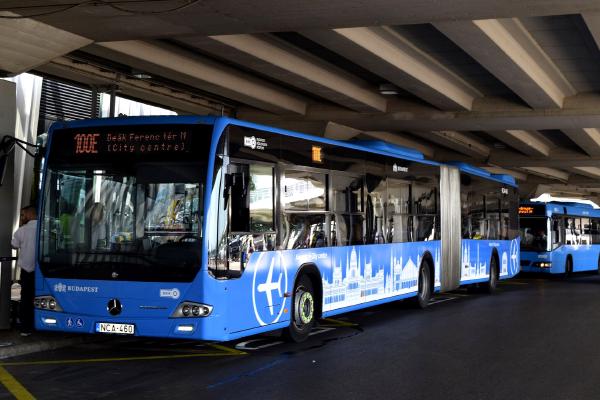
ℹ️ Short answer: Take the 100E Airport Express: 2,500 HUF (about €7), around the clock, about 40 minutes to Kálvin tér, Astoria and Deák Ferenc tér, and you can pay by tapping your bank card on board. With a 24- or 72-hour travelcard, take the 200E bus + M3 metro instead, which the pass covers. A taxi costs roughly 13,000–16,000 HUF (€36–44) to the centre. Uber and Bolt both work, at the same regulated fare. Getting from Budapest airport to the city centre is simpler than most guides make it, and more expensive than the ones written before 2025 say. The 100E bus is the answer for nearly everyone. The exceptions are travellers with a travelcard, groups of three or four who’d pay less in a taxi, and anyone landing at 1:00 with a suitcase and no patience left. This guide compares every option with the 2026 fares from BKK and Budapest Airport, and tells you which one to pick.
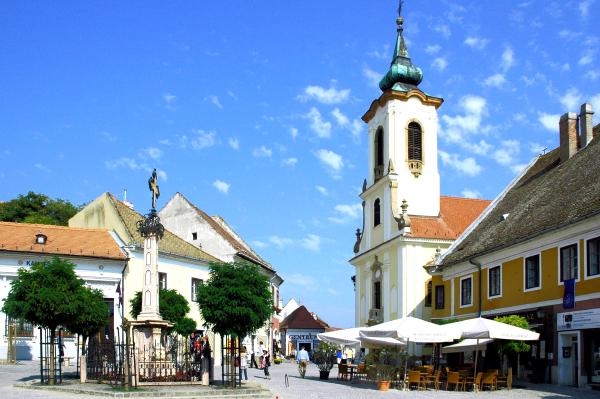
ℹ️ Short answer: Four days is the ideal first visit to Budapest. Spend Days 1–3 in the city (Pest and the Parliament; Buda Castle and Gellért Hill; the Jewish Quarter and a river cruise) and Day 4 on a day trip to Szentendre, 39 minutes away by the H5 train for 950 HUF each way. Buy a 72-hour travelcard (5,750 HUF) for the city days, don’t put the day trip on a Monday, and budget about 70,000–87,000 HUF (€190–240) for sights and transport. Four days in Budapest is the length most first-time visitors wish they’d booked. Three days covers the city properly, and the fourth lets you leave it: a baroque riverside town, a castle ruin above the Danube Bend, or simply a slower day with the museums and baths you rushed past. This plan does three city days, then a day trip that works in any season.
ℹ️ Short answer: The Budapest Card is worth it only if you visit museums. The 72-hour card costs 29,990 HUF (about €82) against 5,750 HUF (about €16) for a 72-hour travelcard, so its free entries must be worth about 24,000 HUF before you save anything. A classic first trip (Parliament, Széchenyi, a cruise) falls short by about 6,500 HUF, because the Parliament isn’t included and Széchenyi is only 20% off. Add three or four museums, or Lukács Bath, and the card saves 10,000 HUF or more. The Budapest Card is the city’s official sightseeing pass, sold by the transport company BKK. Its price went up on 1 May 2026, and most of the pages ranking for “is the Budapest Card worth it” still quote older prices, a 120-hour card that no longer exists, or a free Matthias Church visit that isn’t on the official list. This guide uses BKK’s current price list and partner list, and runs the maths for three real trips.
ℹ️ Short answer: Book a Danube Bend tour (from about €85 with lunch) if you want Szentendre, Visegrád and Esztergom in one day, since linking all three by bus takes the whole day. Do Szentendre yourself: it’s 39 minutes on the H5 HÉV for 999 HUF (about €3) with a day ticket. For Esztergom alone, the train from Nyugati takes 65 minutes. Danube Bend boats were suspended until 11 October 2026 for low water. The verdict first: take a tour for the full Danube Bend, and go on your own for Szentendre. The three towns on the river’s great loop north of Budapest are each easy to reach. What’s hard is joining them up. Buses between them run about once an hour, the citadel is up a hill, and the boats that make the classic trip memorable run only part of the year.
ℹ️ Short answer: Two days is enough for Budapest’s headline sights if you give each day one side of the river. Day 1 is Pest: the Basilica, the Parliament, the Jewish Quarter and Széchenyi Baths. Day 2 is Buda: the Great Market Hall, Gellért Hill, Castle Hill at sunset and a river cruise. Book the Parliament tour weeks ahead, buy a 72-hour travelcard (5,750 HUF) rather than the Budapest Card, and budget about 60,000–70,000 HUF (€165–190) for sights and transport. Two days in Budapest is enough, but only if you stop crossing the river. The mistake most 48-hour plans make is zig-zagging between Buda and Pest twice a day, which costs you an hour you don’t have. This itinerary gives each day one side, uses walking times from BKK’s own journey planner, and tells you where weekends and Mondays will trip you up.
ℹ️ Short answer: Three days is the right amount of time for a first visit to Budapest. Spend Day 1 in Pest (Basilica, Parliament, Andrássy út, Széchenyi Baths), Day 2 in Buda (Castle Hill, Fisherman’s Bastion, the Citadella at sunset) and Day 3 in the Jewish Quarter (Dohány Synagogue, Great Market Hall, an evening cruise). Book the Parliament tour weeks ahead, buy a 72-hour travelcard (5,750 HUF), and avoid putting the synagogue on a Saturday. With 3 days in Budapest you can see the city properly and still have time to sit in a café doing nothing, which is a large part of the point. The catch is timing. Parliament tickets sell out weeks ahead, the synagogue shuts on Saturdays, the market hall keeps short Sunday hours, and half the museums take Mondays off. A good plan fits around all of that.