ℹ️ Short answer: A Budapest trip costs about 15,000–25,000 HUF (€40–70) per person per day on a hostel budget, 35,000–70,000 HUF (€95–190) mid-range with a shared 3- or 4-star room, and 70,000 HUF (€190) and up for a comfortable trip, before flights. The big tickets set the budget: Széchenyi Baths 13,200 HUF, the Parliament 14,000 HUF for non-EU visitors (7,000 HUF for EU/EEA), and a 72-hour travelcard 5,750 HUF (prices as of October 2026). Food and transport are still cheap. The sights and the hotel are where the money goes. The usual line on Budapest trip cost is that the city is cheap. Half true. A lángos is 2,490 HUF (about €7) and a 72-hour travelcard 5,750 HUF (about €16). Then you buy a weekend bath ticket at 14,800 HUF and the “cheap city” story gets quieter.
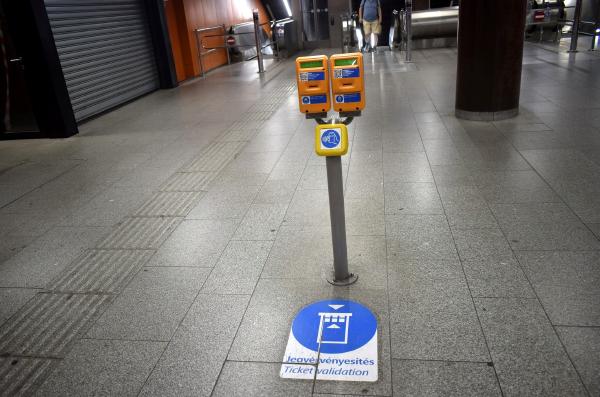
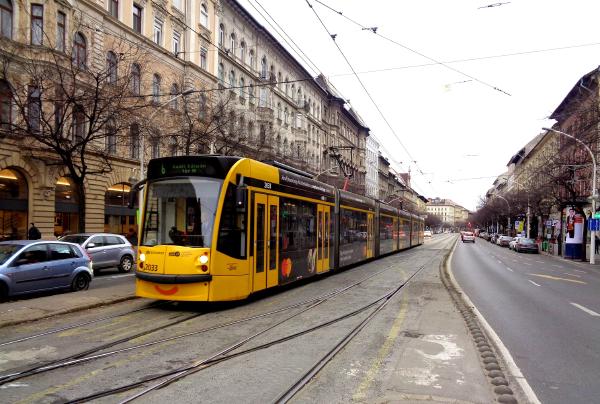
ℹ️ Short answer: Budapest public transport costs 500 HUF (about €1) per single ticket, 2,750 HUF (€8) for 24 hours and 5,750 HUF (€16) for 72 hours, as of October 2026. If you’ll ride more than five times a day, buy the travelcard; if you walk most places, tap your bank card at the metro gates and buy singles for the rest. Contactless only works on the metro and the 100E airport bus, not on trams or ordinary buses. Budapest public transport is cheap, frequent and slightly more complicated than it needs to be. The metro takes a tap of your bank card, the tram next to it doesn’t, and a single ticket stops being valid the moment you change from a bus to a tram. None of that is hard once you know it, and most of the guides ranking for this still quote the old prices.
ℹ️ Short answer: The Budapest Card is worth it only if you visit museums. The 72-hour card costs 29,990 HUF (about €82) against 5,750 HUF (about €16) for a 72-hour travelcard, so its free entries must be worth about 24,000 HUF before you save anything. A classic first trip (Parliament, Széchenyi, a cruise) falls short by about 6,500 HUF, because the Parliament isn’t included and Széchenyi is only 20% off. Add three or four museums, or Lukács Bath, and the card saves 10,000 HUF or more. The Budapest Card is the city’s official sightseeing pass, sold by the transport company BKK. Its price went up on 1 May 2026, and most of the pages ranking for “is the Budapest Card worth it” still quote older prices, a 120-hour card that no longer exists, or a free Matthias Church visit that isn’t on the official list. This guide uses BKK’s current price list and partner list, and runs the maths for three real trips.
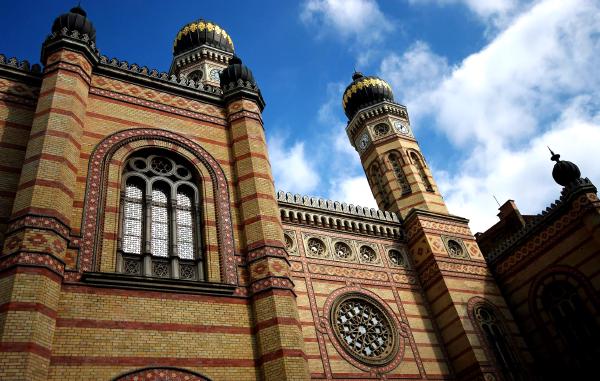
ℹ️ Short answer: Dohány Street Synagogue tickets cost 14,500 HUF (about €40) for adults in 2026, 12,000 HUF for ISIC students and 5,500 HUF for children aged 6–12. The ticket includes the Jewish Museum, the Holocaust memorial garden, the graveyard and a free 45-minute guided tour. It’s closed every Saturday and on Jewish holidays (in autumn 2026: 3–4 October and 1 November). Cover your shoulders and knees, and book online on the official site for fast-lane entry. The Dohány Street Synagogue ticket costs more than a non-EU Parliament tour, and most online guides still quote a price from two years ago. This guide has the current official price, what the ticket actually covers, the seasonal opening hours and closures, and how to see the rest of Budapest’s Jewish Quarter around it.
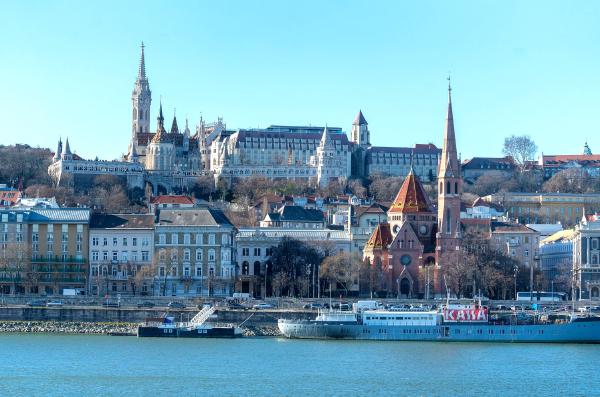
ℹ️ Short answer: Buda Castle is free to walk around: the streets, the palace terraces and the lower level of Fisherman’s Bastion cost nothing. You only pay for what’s inside: Matthias Church 3,400 HUF (about €9), the Bastion’s upper terrace 1,700 HUF (about €5), the National Gallery 5,800 HUF (about €16). Take bus 16 from Deák Ferenc tér rather than the 4,500 HUF funicular. Go before 9:00 to have the Bastion mostly to yourself. Buda Castle sits on a limestone ridge above the Danube, and most of what people come for there is outdoors and free. The confusion is about the rest: which parts of Fisherman’s Bastion cost money, whether the funicular is worth 4,500 HUF, and which of the dozen ticket desks on the hill are worth queuing at.
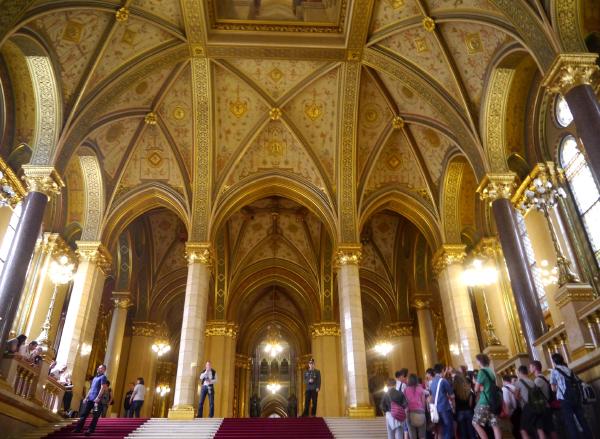
ℹ️ Short answer: Adult Parliament tickets cost 7,000 HUF (about €19) for EU/EEA citizens and 14,000 HUF (about €38) for everyone else in 2026, including UK visitors. Buy them on the official site, jegymester.hu/parlament, and book at least five weeks ahead: on 26 September 2026 every slot was sold out until November. If your date is full, a GetYourGuide ticket costs more but gets you in. Budapest Parliament tickets are the one booking that ruins more Budapest itineraries than any other. That’s not because they’re expensive. It’s because people assume they can buy them the week before. The building takes 45 minutes to see and weeks to get into, and the official site doesn’t make either part obvious.
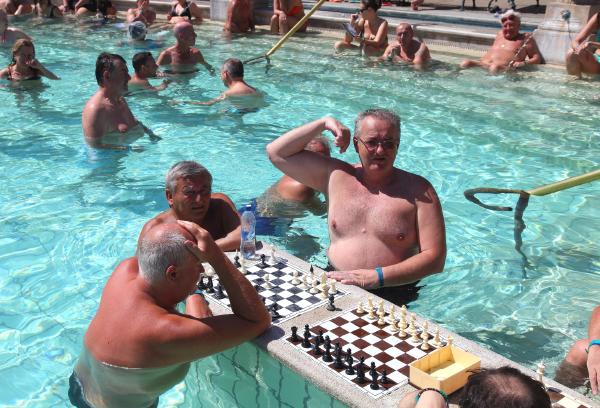
ℹ️ Short answer: A Széchenyi Baths day ticket with a locker costs 13,200 HUF (about €36) Monday–Thursday and 14,800 HUF (about €41) Friday–Sunday. The online-only fast track adds 2,000 HUF. Go before 9:00 on a weekday for the cheaper “Good Morning” ticket (10,500 HUF, about €29) and the emptiest pools. Book online if your date is fixed, or through a reseller with free cancellation if it isn’t. Children under 14 are not admitted. Széchenyi Baths keep their main outdoor pool at 36–38 °C all year. That’s the whole appeal, and in January it’s also why half of Budapest seems to be in it with you. The soak itself is easy. The part people get wrong is the ticket: which one, where to buy it, and whether paying extra to skip the queue makes sense.