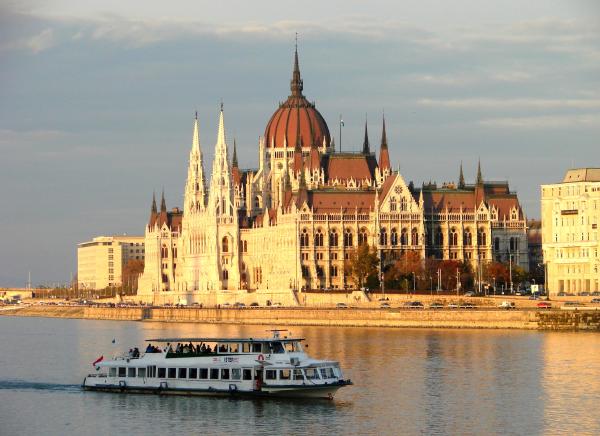
ℹ️ Short answer: On a rainy day in Budapest, go to a thermal bath first. Széchenyi’s outdoor pools stay at 36–38 °C whatever the sky does, from 13,200 HUF (about €36) on weekdays. Then go underground (the Buda Castle Caves, Hospital in the Rock or Pál-völgyi Cave) or indoors to the Parliament, the Opera House or a big museum. Most museums close on Mondays, so save the baths, caves and the Opera tour for a wet Monday. Rain in Budapest is less of a disaster than it sounds. This is a city built around hot water, with a hill full of caves and some of the most over-decorated interiors in Europe, so a wet day mostly means swapping the viewpoints for the things you’d have done anyway. The trap is the calendar, not the weather: half the indoor list closes on Mondays.
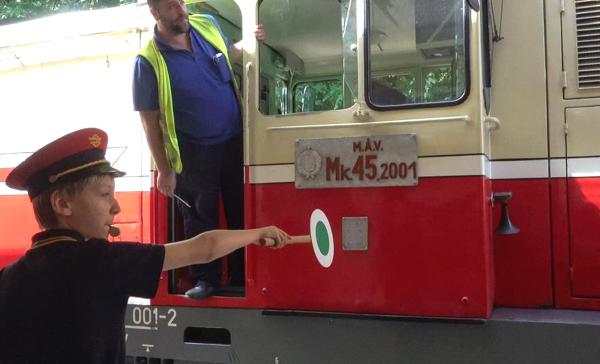
ℹ️ Short answer: Budapest with kids works best in three days: Day 1 in City Park (zoo and a free playground), Day 2 on Castle Hill (a cave tour and a daytime river cruise), Day 3 in the Buda Hills and on Margaret Island (the Children’s Railway, the chairlift and Palatinus Strand). For a family of four with children aged 7 and 10, budget about 108,000–161,000 HUF (about €295–440) for transport and sights. The big rule: Széchenyi and Rudas don’t admit under-14s, so Palatinus is your bath. The first thing to know about Budapest with kids is that the city’s most famous experience is off limits to them: Széchenyi Baths stopped admitting under-14s on 1 August 2025, and Rudas doesn’t take them either. The rest is good news: a big zoo next to that bath, a railway run by children, caves under the city, and a bath on Margaret Island that welcomes families.
ℹ️ Short answer: Choose Budapest for thermal baths, the Danube and nightlife that runs until 4:00; choose Prague for a compact medieval old town and beer halls. One city, three or four days, first trip? Budapest, narrowly. Costs are closer than people claim: a 72-hour travelcard is 5,750 HUF (about €16) in Budapest and 350 CZK (about €14) in Prague, but Budapest’s headline sights cost more. With a week, do both: direct trains every two hours, about 6 h 50 min, from €30. Budapest vs Prague is closer than either city’s fans admit, so here’s the verdict first: pick Budapest for the baths, the river and late nights, and Prague for its medieval old town and its beer. If you’re visiting one of them for the first time with three or four days, Budapest wins by a nose, because it gives you more kinds of day. With a week, you don’t have to choose at all.
ℹ️ Short answer: The best time to visit Budapest is May or September. Both average highs of about 22.5 °C, the days are long, and everything seasonal is running. For the lowest prices and emptiest sights, go in January or February: Budapest’s hotels and guesthouses logged about 690,000 guest nights in each in 2025, against 1.17 million in August. Avoid August and the second half of December unless you’re coming for Sziget, St Stephen’s Day or the Christmas markets. The best time to visit Budapest is not when most blogs say it is. In 2025, October and December were both busier than July, so the “quiet shoulder season” is mostly a myth: Budapest is busy most of the year and properly quiet for two months. Below, every month is judged on HungaroMet’s official climate normals and the statistics office’s (KSH) guest figures, not guesswork.
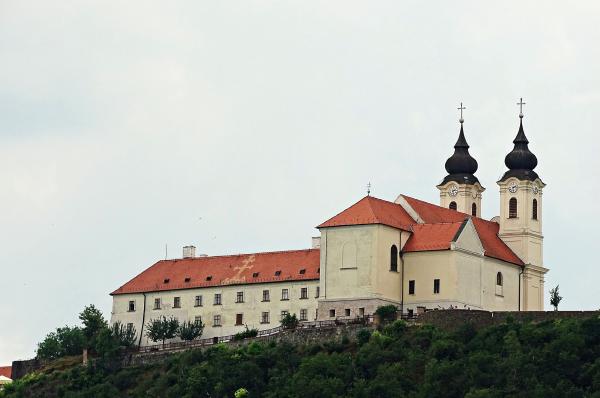
ℹ️ Short answer: The best Lake Balaton day trip from Budapest is Balatonfüred + Tihany on the north shore. Take the direct train from Budapest-Déli (every two hours at :05, 1 h 50 min, about 2,520 HUF/€7 each way), then bus 7355 to Tihany Abbey (3,400 HUF). The last direct train back leaves at 19:02. It’s a summer trip at heart: scheduled boats stop after 25 October 2026, and from November the thermal lake at Hévíz is the better reason to go. A small-group tour from €139 adds Esztergom on the way. Lake Balaton is 77 km long, which is the first thing a Lake Balaton day trip has to deal with: “going to Balaton” can mean a two-hour train to a resort you didn’t want. This guide settles which part of the lake to visit in one day from Budapest, with the autumn 2026 train times from MÁV, boat and ferry dates from BAHART, and ticket prices from the abbey, the palace and the Hévíz lake bath.
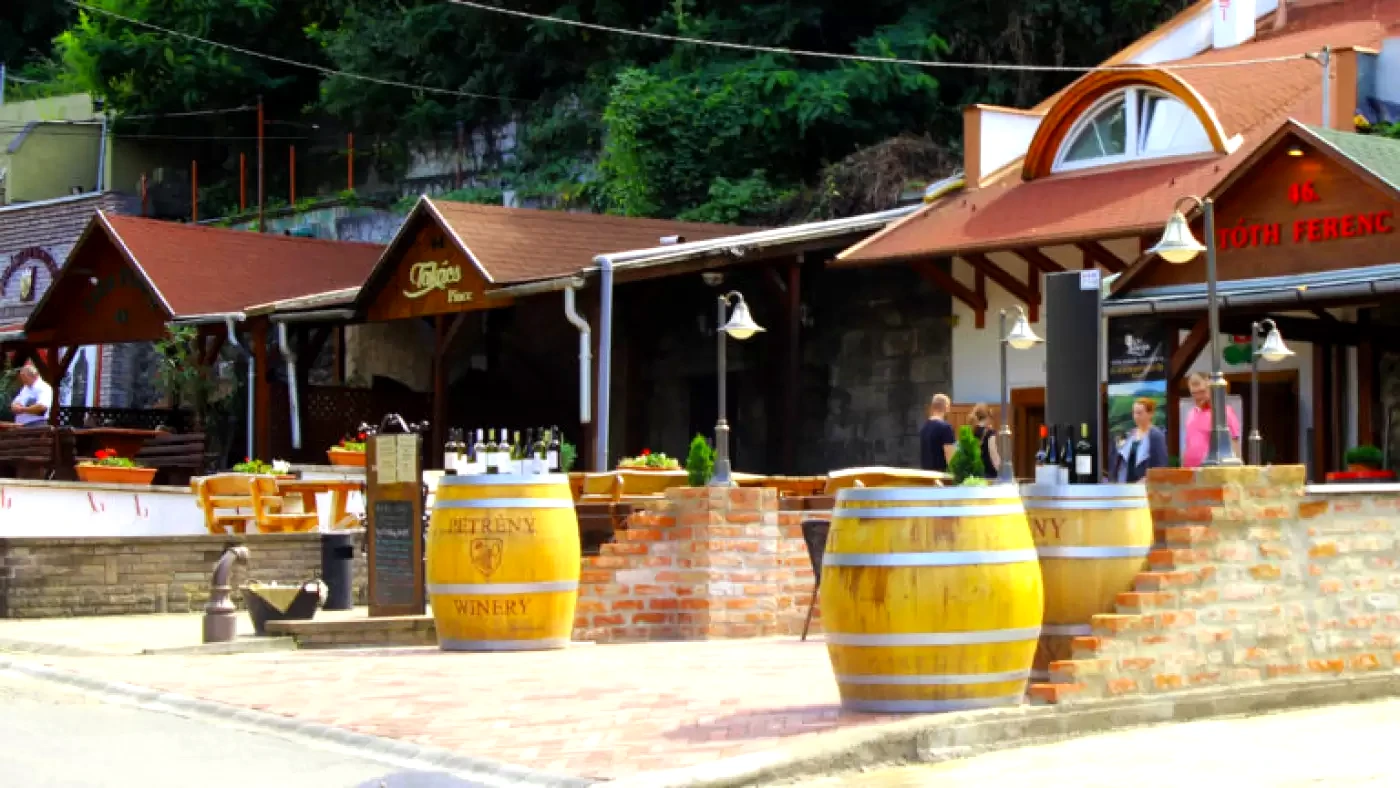
ℹ️ Short answer: Do an Eger day trip by train: direct from Budapest-Keleti every hour on the hour, 1 h 52 min, 2,830 HUF (about €8) each way, no reservation needed. Take the 8:00 (arrives 9:52) and come back on the 19:08 or the last direct train at 20:08. Budget 4,800 HUF for the castle and about 2,000 HUF for a three-wine tasting in the Valley of the Beautiful Women. Tours exist only as private cars from about €242 per person. If the wine is the point, stay the night. An Eger day trip from Budapest gives you Hungary’s most famous castle, Europe’s northernmost Ottoman minaret and a valley of wine cellars cut into the hillside, all two hours from Keleti. It’s the best wine day trip from Budapest, and one of the easiest: the train is direct, the town is walkable, and nothing needs booking. The only hard part is leaving, because the last direct train goes at 20:08.
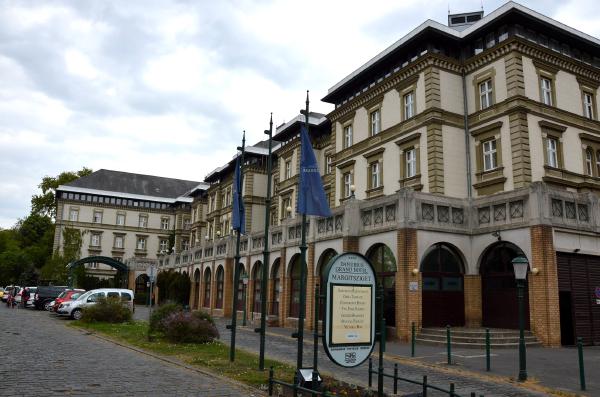
ℹ️ Short answer: The best Budapest spa hotel for real thermal water is Ensana Thermal Margaret Island, whose 37–38 °C pool comes from its own spring. It’s one of only two hotels in the city where we could confirm thermal water. For luxury, pick the Four Seasons Gresham Palace (top-floor infinity pool) or the Corinthia (a restored historic pool). For families, Aquaworld Resort. Hotel Gellért is closed, and the Ritz-Carlton is now Al Habtoor Palace. Budapest sits on thermal springs, and plenty of its hotels call themselves spa hotels. Very few pipe that water into their own pools. Most Budapest spa hotels have a good heated pool, saunas and a treatment menu, which is lovely but not the same thing. This guide separates the two, using each hotel’s own website, and adds the details other lists leave out: day-pass prices, age rules and which famous names have closed.
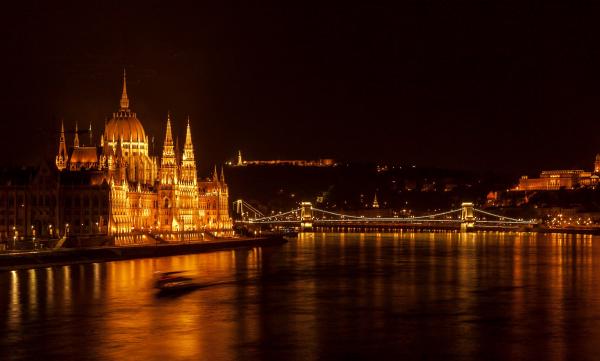
ℹ️ Short answer: The best thing to do in Budapest at night is a one-hour evening river cruise (from about €11), timed between dusk and 22:00, when the city’s landmark lighting switches off in winter (23:00 in summer). Then pick your night: Rudas night bathing (Fri–Sat 22:00–03:00, 15,000 HUF), Sparty at Széchenyi (Saturdays, from €69), the free Citadella viewpoint (open until midnight to October), a folk show or concert, or the ruin bars of District VII. Budapest at night is a different city, and in some ways a better one. The Parliament, the Castle and the bridges are floodlit over the river, the baths stay open late, and the best viewpoints are free until midnight. The only thing working against you is the clock: the landmark lighting goes off at 22:00 in winter, the metro stops around midnight, and the most famous bath for night swimming has been closed since 2025.
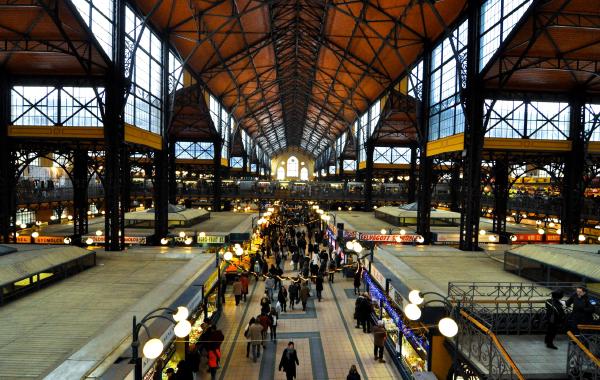
ℹ️ Short answer: Two days is enough for Budapest’s headline sights if you give each day one side of the river. Day 1 is Pest: the Basilica, the Parliament, the Jewish Quarter and Széchenyi Baths. Day 2 is Buda: the Great Market Hall, Gellért Hill, Castle Hill at sunset and a river cruise. Book the Parliament tour weeks ahead, buy a 72-hour travelcard (5,750 HUF) rather than the Budapest Card, and budget about 60,000–70,000 HUF (€165–190) for sights and transport. Two days in Budapest is enough, but only if you stop crossing the river. The mistake most 48-hour plans make is zig-zagging between Buda and Pest twice a day, which costs you an hour you don’t have. This itinerary gives each day one side, uses walking times from BKK’s own journey planner, and tells you where weekends and Mondays will trip you up.
ℹ️ Short answer: Gellért Baths are closed. They shut on 1 October 2025, and as of September 2026 the official site gives 2028 as the planned reopening. The renovation loan still needs government approval, so that date could slip. Book Rudas Bath instead: it’s a 10-minute walk away, and a weekday ticket costs 12,000 HUF (about €33). For outdoor pools, book Széchenyi. Gellért Baths are closed, and they’ll stay closed for years, not weeks. The official notice now reads, in full, that the bath has been closed since 1 October 2025 with a planned reopening in 2028. Plenty of guides still describe Gellért as open. This one covers what’s actually happening, why the date may move, and which open bath gets you closest to what Gellért was.
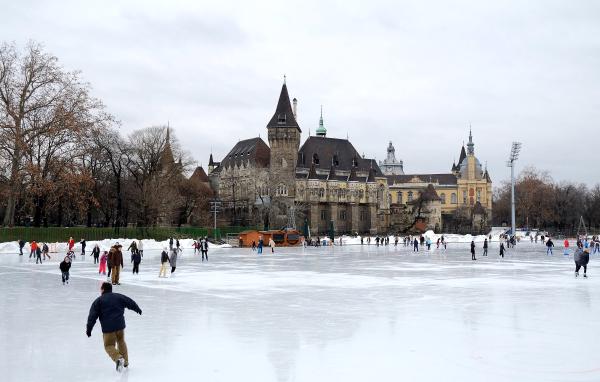
ℹ️ Short answer: Yes, Budapest is worth visiting in winter, if you like hot water and cold air. Széchenyi’s outdoor pool stays at 36–38 °C, the Christmas markets opened on 14 November in 2025 (the Basilica market’s 2026 dates are announced: 13 November), and hotel rates in early 2026 ran about 19% below the 2025 average. The catch: January averages 3 °C by day and −2.5 °C at night, and the sun sets around 16:00 in December. Budapest in winter is cold, grey and dark by four o’clock. It’s also the season the city does best: steaming outdoor baths, mulled wine in the squares, an ice rink in front of a castle, and cafés built for sitting out a cold afternoon. This guide covers the real temperatures and daylight hours, what’s open around Christmas and New Year, what closes, and whether a winter trip is worth it for you.
ℹ️ Short answer: Go to Széchenyi for your first bath (13,200 HUF, about €36, Monday–Thursday) and Rudas for atmosphere, the rooftop pool and night bathing (12,000 HUF on weekdays). Lukács (7,000 HUF) and Veli Bej (from 5,700 HUF) are the calmer, cheaper local choices. Travelling with children under 14? Only Palatinus Strand will let them in. Gellért is closed until 2028 and Király is closed indefinitely. Budapest sits on more than a hundred thermal springs, and choosing between the best thermal baths in Budapest mostly comes down to three questions: how much atmosphere you want, what time of day you’re going, and whether you have children under 14 with you. The last one rules out almost every bath in the city, a rule that older guides haven’t caught up with.