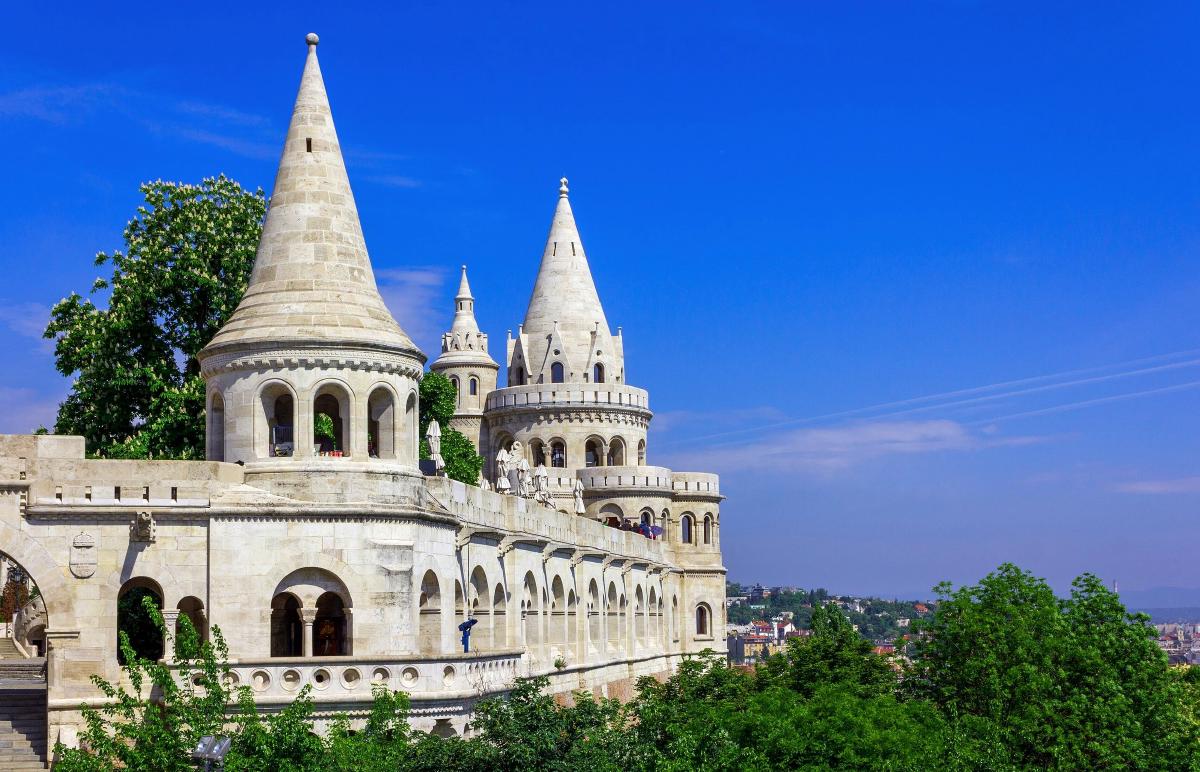
With 3 days in Budapest you can see the city properly and still have time to sit in a café doing nothing, which is a large part of the point. The catch is timing. Parliament tickets sell out weeks ahead, the synagogue shuts on Saturdays, the market hall keeps short Sunday hours, and half the museums take Mondays off. A good plan fits around all of that.
This itinerary puts each day in one part of the city, so you walk more than you ride. Every price was checked in September 2026. For everything we didn’t fit in, see our guide to the best things to do in Budapest.
Some links in this guide are affiliate links. They don’t change your price and help keep the site running.
Is 3 days enough for Budapest?#
Yes, three days is enough for Budapest on a first visit. You can see the Parliament, Buda Castle, a thermal bath, the Jewish Quarter and the Danube by night without rushing. Add a fourth day only if you want a day trip, such as the Danube Bend, or more museums. See our 4-day Budapest itinerary for that version.
Here’s the plan at a glance:
| Day | Area | Main sights | Evening |
|---|---|---|---|
| 1 | Pest: District V and Andrássy út | St Stephen’s Basilica, Parliament tour, Shoes on the Danube Bank, Andrássy út, Heroes’ Square | Széchenyi Baths |
| 2 | Buda: Castle Hill and Gellért Hill | Fisherman’s Bastion, Matthias Church, Buda Castle, Citadella | Sunset on Gellért Hill, dinner in Pest |
| 3 | Pest: Jewish Quarter and the river | Dohány Synagogue, Great Market Hall, Danube promenade | River cruise, ruin bars |
Which order? Do Day 1 on the day your Parliament ticket is for. Make sure Day 3 isn’t a Saturday (synagogue closed) and, if Day 3 is a Sunday, that you reach the market hall after 10:00. If one of your days is a Monday, make it Day 3: the National Gallery (Day 2) and the House of Terror (Day 1) are closed on Mondays.
What should you book before your trip?#
Book three things before you fly, and leave everything else to the day:
- The Parliament tour. Official tickets cost 7,000 HUF (about €19) for EU/EEA citizens and 14,000 HUF (about €38) for everyone else. They sell out weeks ahead: in late September 2026, every slot was gone for five weeks. See our Parliament tickets guide for the booking details and what to do if your date is full.
- A sunset river cruise for the evening of Day 3. Well-reviewed one-hour cruises start at about €11. See our river cruise comparison.
- Széchenyi Baths, only if you’re going on a Friday to Sunday or on a summer afternoon, when the queue is long. See our Széchenyi Baths guide.
Travelcard or Budapest Card?#
Buy the 72-hour travelcard (5,750 HUF, about €16) for this itinerary. It covers the metro, trams and buses for your whole stay. You can tap a bank card at the metro gates instead, but contactless payment works only on the metro and the 100E airport bus, not on trams or buses. The BudapestGO app sells passes and tickets on your phone.
The 72-hour Budapest Card costs 29,990 HUF (about €82). It includes transport, a Danube cruise, free entry to the Lukács Bath and the Citadella exhibition, and 30+ museums. It also gives discounts at Széchenyi and the Basilica. For this itinerary it comes out a few thousand forints short of paying for itself. It wins only if you add two or three more paid museums. We run the numbers in is the Budapest Card worth it?
Arriving by air? The 100E airport bus costs 2,500 HUF (about €7), and travelcards aren’t valid on it. See how to get from Budapest airport to the city.
Day 1: Pest, the Parliament and a thermal bath#
Day 1 covers the grand Pest side of the river, from the Basilica to the Parliament, then up Andrássy út to the city’s most famous bath.
9:00 – St Stephen’s Basilica. Go early, before the tour groups. The church costs 2,600 HUF (about €7). The panorama terrace around the dome, with the treasury, costs 5,000 HUF, and an all-in ticket costs 6,800 HUF. The terrace is the best view of Pest you’ll get without a boat. Shoulders and knees must be covered. On Sundays the church opens to visitors only from 13:00, so swap this with the afternoon if you’re here then.
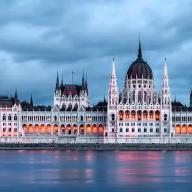
10:30 – The Parliament tour. Walk 12 minutes north to the Parliament Visitor Centre, underground at the north end of Kossuth Lajos tér. Arrive 20–30 minutes before your slot for security. The 45-minute tour ends with the Holy Crown in the Dome Hall. No photos in that room.
12:00 – Shoes on the Danube Bank. Walk south along the river from the Parliament to the memorial of iron shoes on the embankment, which remembers the Jews shot into the river by Arrow Cross militiamen in 1944–45. It’s a short walk and a place to be quiet for a few minutes.
13:00 – Lunch in District V, then walk or take the M1 (the little yellow line) up Andrássy út, Budapest’s grand boulevard. Stop at the Hungarian State Opera: English tours run daily at 13:30, 15:00 and 16:30 and cost 12,000 HUF (about €33), including a short mini-concert. If you’d rather see 20th-century history, the House of Terror further up the avenue costs 4,000 HUF (tickets on site only) and is closed on Mondays.
16:00 – Heroes’ Square and Széchenyi Baths. Continue to the end of Andrássy út (M1 to Hősök tere) for Heroes’ Square, then walk into City Park to Széchenyi. A weekday ticket with a locker costs 13,200 HUF (about €36). Last entry is 19:00 Monday to Thursday, so don’t dawdle. On Fridays the bath stays open until 22:00. Children under 14 are not admitted.
Day 2: Buda Castle, Fisherman’s Bastion and Gellért Hill#
Day 2 crosses the river for the medieval Castle District in the morning and Gellért Hill in the afternoon. Most of it is free to walk around.
9:00 – Up to Castle Hill. Take bus 16 from Deák Ferenc tér. It crosses the Chain Bridge, which is closed to private cars but open to buses and pedestrians, and climbs to the Castle District. The historic Sikló funicular from the Buda end of the Chain Bridge is prettier but costs 4,500 HUF (about €12) one way. It’s closed for maintenance from 5 to 16 October 2026 and on some Mondays.
9:30 – Fisherman’s Bastion and Matthias Church. The lower terraces of Fisherman’s Bastion are free. Only the upper viewing level is ticketed: 1,700 HUF (about €5), 9:00–19:00 (until 21:00 from June to September). It’s free on national holidays, including 23 October, and from 24 to 31 December. Next door, Matthias Church costs 3,400 HUF, and the tower 4,000 HUF in timed slots. Hours change around services, so check them on the day, and cover shoulders and knees.
If you’d like the stories behind the walls, a guided walk is excellent value:
Buda Castle District Walking Tour
A two-hour guided walk around the Castle District in English (small-group options too), with free cancellation up to 24 hours before. At €12 it costs less than a Matthias Church and tower ticket together, and you come away knowing what you looked at.
View Tour →11:30 – Buda Castle (the Royal Palace). Walk south along the ridge to the palace. The courtyards, terraces and views are free. Inside, the Hungarian National Gallery (5,800 HUF for the permanent exhibition) is closed on Mondays, and the Budapest History Museum (3,800 HUF) is open daily. Pick one, or neither: the terrace over the Danube is the real highlight. For the full Castle Hill guide, including the caves, see Buda Castle and Fisherman’s Bastion.
13:00 – Lunch in the Castle District or down in the Víziváros neighbourhood, then make your way down to the river and south to Gellért Hill.
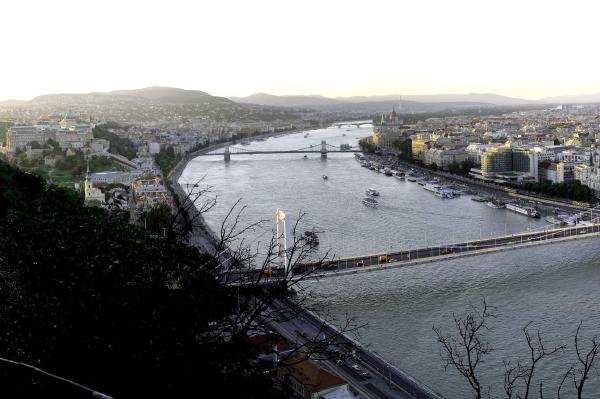
15:00 – The Citadella. The fortress on top of Gellért Hill reopened in spring 2026 after years of renovation. The park, the new lookouts on the walls and the Liberty Statue are free. The new exhibition, the Bastion of Liberty, costs 4,900 HUF with timed entry and includes a roof garden. Walk up from the Buda end of Elisabeth Bridge (steep, but you’re rewarded), or take bus 27 to about 500 m from the north entrance. Stay for sunset: this is the best view in the city.
Evening – dinner back in Pest. If it’s Friday or Saturday and you’ve still got energy, Rudas Bath, at the foot of Gellért Hill, opens for night bathing from 22:00 to 03:00 (online tickets only), with a rooftop pool over the river. (Gellért Bath, next door to the hill, has been closed since October 2025 and isn’t expected to reopen until 2028. See our Gellért Baths update.)
Day 3: The Jewish Quarter, the market hall and the Danube at night#
Day 3 is for the Jewish Quarter (District VII), a long lunch at the market hall, and the river after dark.
10:00 – Dohány Street Synagogue. Europe’s largest synagogue, and the heart of Budapest’s Jewish history. The ticket includes the Hungarian Jewish Museum, the Raoul Wallenberg Memorial Park, the cemetery and a guided tour. It’s closed on Saturdays and Jewish holidays; in autumn 2026, that includes 3–4 October and 1 November, and it closes early on Fridays. From November, it closes at 16:00. There’s a security check, no large backpacks, no shorts or sleeveless tops, and men cover their heads (a kippah is provided). Adult tickets cost 14,500 HUF (about €40) in 2026; check the hours on the official visitor site.
To go deeper, a guided heritage tour includes the synagogue ticket:
Jewish Heritage Guided Tour with Synagogue Ticket
A guided walk with entry to the Dohány Street Synagogue, the Jewish Museum and the Wallenberg Memorial Park. The 4-hour option adds the Rumbach Synagogue and the ghetto wall exhibition. Free cancellation up to 24 hours before.
View Tour →For the full visitor guide, see Dohány Synagogue and the Jewish Quarter.
13:00 – Great Market Hall. Walk or take the M3 to Kálvin tér for the Great Market Hall (Vámház körút 1–3). Paprika and salami downstairs, lángos and stuffed cabbage in the upstairs food stalls. According to the hall’s own page, it’s open Monday to Friday 6:00–18:00, Saturday 6:00–16:00 and Sunday 10:00–16:00, and closed on public holidays. Want someone to explain the paprika? This market-to-tavern food tour (from €80, 3 hours, 4.9 stars) covers 12+ tastings. See our guide to Hungarian food to know what to order.
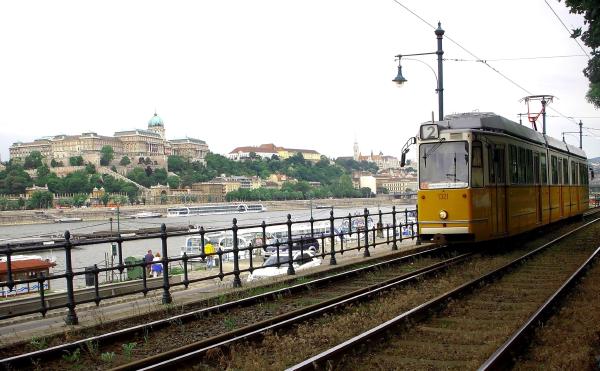
15:00 – The Danube promenade and a slow afternoon. Walk north along the Pest embankment from Liberty Bridge, or ride tram 2, which runs along the river between Közvágóhíd and Jászai Mari tér and is the cheapest sightseeing ride in town. Then have a coffee somewhere with chandeliers. You’ve earned it.
Sunset – a river cruise. A one-hour evening cruise shows you everything you walked past in the last three days, lit up. The cheapest well-reviewed option is a historic paddle-steamer cruise with a welcome drink from €11. One caveat for 2026: the government switched off the decorative lighting of the Parliament, Buda Castle and the Citadella on 31 July to save electricity, then announced on 7 August that building lighting would come back on from 8 August. The city’s own lighting, including the bridges, came back on from 1 September. As of 28 September 2026 we haven’t seen an official notice naming the Parliament itself.
Late – ruin bars. Back in the Jewish Quarter, finish in a ruin bar, the courtyard pubs in half-derelict buildings that Budapest made famous. See our guide to the best ruin bars.
How much does 3 days in Budapest cost?#
Three days of sightseeing in Budapest costs about 63,000–80,000 HUF (about €175–220) per person for the transport, sights, bath, synagogue and cruise in this itinerary, before food and accommodation. Here’s the breakdown for a non-EEA adult:
| Item | Price | About |
|---|---|---|
| 72-hour travelcard | 5,750 HUF | €16 |
| St Stephen’s Basilica, all-in ticket | 6,800 HUF | €19 |
| Parliament tour (EEA: 7,000 HUF) | 14,000 HUF | €38 |
| Széchenyi Baths, weekday with locker | 13,200 HUF | €36 |
| Fisherman’s Bastion upper terrace + Matthias Church | 5,100 HUF | €14 |
| Citadella exhibition (optional) | 4,900 HUF | €13 |
| Dohány Synagogue (incl. Jewish Museum and guided tour) | 14,500 HUF | €40 |
| Evening river cruise | from about 4,000 HUF (€11) | €11 |
| Opera tour or House of Terror (optional) | 4,000–12,000 HUF | €11–33 |
| Total | about 63,000–80,000 HUF | about €175–220 |
Prices checked September 2026 on the official sites. The low end skips the optional items. The synagogue price is from its official ticket site.
For daily food and hotel budgets, see how much a trip to Budapest costs.
What should you cut if you’re short on time?#
If you have less than three full days, cut in this order:
- The Opera tour or House of Terror on Day 1. Pick one or neither.
- The museums in Buda Castle. The courtyards and views are the highlight anyway.
- The Citadella exhibition. Keep the free park and the sunset.
- The food tour. A lunch at the market hall gets you most of it.
Never cut the Parliament (if you’ve got a ticket), the bath or the evening on the river. With only 48 hours, see our 2-day Budapest itinerary, and with a single day, one day in Budapest.
Where should you stay for 3 days in Budapest?#
Stay on the Pest side, in District V (Belváros-Lipótváros) or the quieter edges of District VII (Erzsébetváros). Days 1 and 3 start on your doorstep, Buda Castle is a 15-minute bus ride away, and you’ll walk home from dinner. Browse hotels in District V, or see where to stay in Budapest for every area compared, including which streets are loud at night.
Who should change this itinerary?#
Families with children under 14 should swap Széchenyi for something else: neither Széchenyi nor Rudas admits them. See Budapest with kids. Travellers arriving on a Saturday should do Day 2 first and keep the synagogue for Sunday. And anyone who dislikes crowds should avoid Fisherman’s Bastion between 11:00 and 15:00, when the tour buses arrive.
Everyone else: book the Parliament, pack a towel, and leave room for a second coffee. For more thermal baths, see our comparison of the best thermal baths in Budapest.
FAQ#
Is 3 days enough for Budapest?#
Yes. Three days is enough to see the Parliament, Buda Castle, a thermal bath, the Jewish Quarter and a river cruise without rushing. You would need a fourth day for a day trip to the Danube Bend or more museums.
What should I book before a 3-day trip to Budapest?#
Book the Parliament tour first, because official tickets sell out five weeks or more ahead in busy months. After that, book a sunset river cruise and, on weekends or summer afternoons, a Széchenyi Baths fast-track ticket. Everything else can be bought on the day.
Should I buy the Budapest Card for 3 days?#
For this itinerary, usually not. The 72-hour Budapest Card costs 29,990 HUF, while a 72-hour public transport travelcard costs 5,750 HUF and you would pay for the few sights you visit separately. The card pays off only if you add several museums or use its free Lukács Bath entry.
How much does 3 days in Budapest cost?#
Budget about 63,000 to 80,000 HUF (about €175 to €220) per person for the transport, sights, bath, synagogue and cruise in this itinerary, before food and accommodation, as of September 2026. EU and EEA citizens pay 7,000 HUF less for the Parliament.
Can you pay by contactless card on Budapest public transport?#
Only on the metro and the 100E airport bus, where you can tap a bank card at the gate. On buses and trams you still need a ticket or pass, which you can buy in the BudapestGO app.
Which days are Budapest sights closed?#
Mondays are the day to avoid for museums: the Hungarian National Gallery and the House of Terror are closed. The Dohány Street Synagogue is closed on Saturdays and Jewish holidays, and the Great Market Hall opens only from 10:00 to 16:00 on Sundays and closes on public holidays.
Should I stay in Buda or Pest for 3 days?#
Stay in Pest, ideally District V or the edge of District VII. Most of the itinerary, the restaurants and the transport links are on the Pest side, and Buda Castle is a 15-minute bus ride away.
Last verified: 18 October 2026. Prices and timetables change, so confirm with the operator before booking.