Budapest has a tour for every street corner. The hard part is working out which ones are worth your money and which are just a bus with a microphone. These guides compare the top-rated Budapest tours, tickets and activities, with prices, durations and who should skip each one.
ℹ️ Short answer: On a rainy day in Budapest, go to a thermal bath first. Széchenyi’s outdoor pools stay at 36–38 °C whatever the sky does, from 13,200 HUF (about €36) on weekdays. Then go underground (the Buda Castle Caves, Hospital in the Rock or Pál-völgyi Cave) or indoors to the Parliament, the Opera House or a big museum. Most museums close on Mondays, so save the baths, caves and the Opera tour for a wet Monday. Rain in Budapest is less of a disaster than it sounds. This is a city built around hot water, with a hill full of caves and some of the most over-decorated interiors in Europe, so a wet day mostly means swapping the viewpoints for the things you’d have done anyway. The trap is the calendar, not the weather: half the indoor list closes on Mondays.
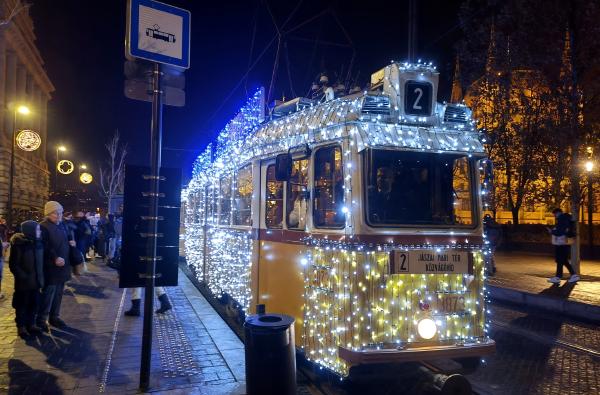
ℹ️ Short answer: Christmas in Budapest is at its best from late November to 23 December, when the markets, light trams, rinks and concerts are all running. Christmas Eve (24 December) shuts the city down by mid-afternoon: shops close by 14:00, Széchenyi closes at 13:00, the Basilica market at 15:00, and transport winds down from around 15:00. On 25–26 December the Basilica market (11:00–20:00) and Széchenyi (10:00–20:00) are open, but most shops and museums aren’t. Plan Christmas Eve around a lunch, a bath and midnight mass. Hungarians do Christmas at home, on the evening of the 24th, which surprises visitors who expect the city to party through it. The weeks before are the opposite: Budapest at Christmas means mulled wine on Vörösmarty tér, trams wrapped in fairy lights, the Nutcracker at the Opera and steam rolling off Széchenyi’s pools into the dark at 16:00.
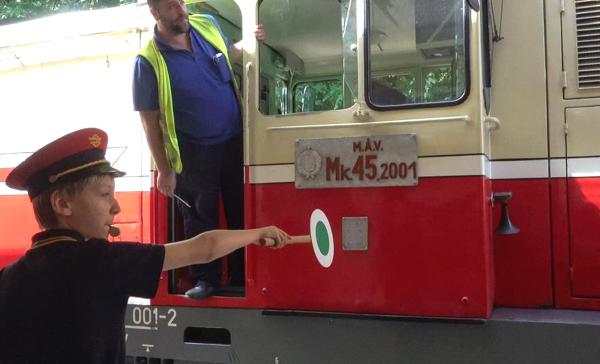
ℹ️ Short answer: Budapest with kids works best in three days: Day 1 in City Park (zoo and a free playground), Day 2 on Castle Hill (a cave tour and a daytime river cruise), Day 3 in the Buda Hills and on Margaret Island (the Children’s Railway, the chairlift and Palatinus Strand). For a family of four with children aged 7 and 10, budget about 108,000–161,000 HUF (about €295–440) for transport and sights. The big rule: Széchenyi and Rudas don’t admit under-14s, so Palatinus is your bath. The first thing to know about Budapest with kids is that the city’s most famous experience is off limits to them: Széchenyi Baths stopped admitting under-14s on 1 August 2025, and Rudas doesn’t take them either. The rest is good news: a big zoo next to that bath, a railway run by children, caves under the city, and a bath on Margaret Island that welcomes families.
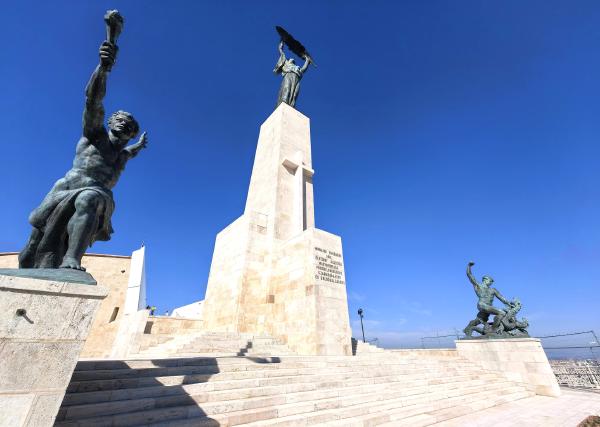
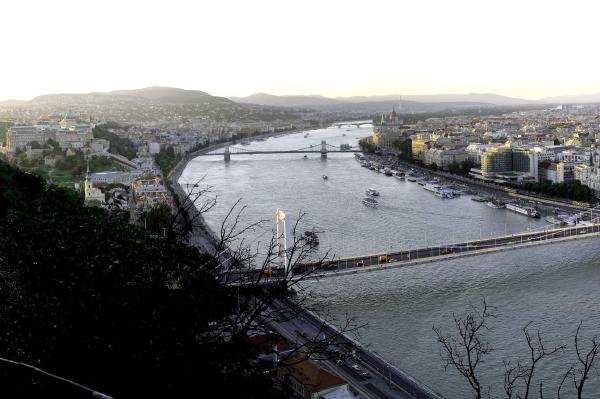
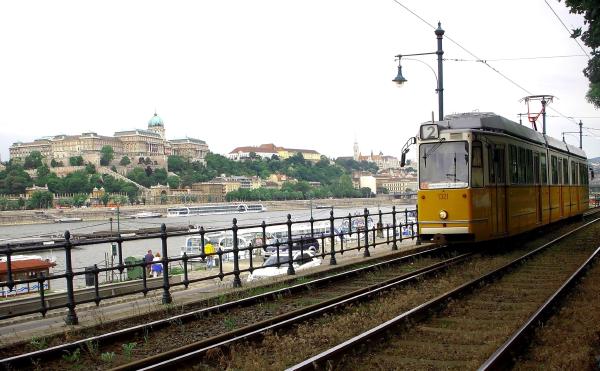
ℹ️ Short answer: The best free thing to do in Budapest is the Citadella park on Gellért Hill: reopened in 2026, free, open until midnight through October, with the best view in the city. Close behind are Fisherman’s Bastion’s lower terraces, the Chain Bridge and Margaret Island. Mark Friday 23 October 2026: the big state museums are free for everyone. Not free: the Basilica’s interior (2,600 HUF), tram 2 (it needs a ticket) and “free” walking tours, which expect a tip. The free things to do in Budapest include most of what makes the city worth the trip: the river, the hills, the bridges and the view of the Parliament from the other bank. What costs money is mostly indoors. This list covers 25 free things, all checked against official sources on 1 October 2026, with a “best for” label on each, and then the “free” sights that aren’t.
ℹ️ Short answer: One day in Budapest is enough for the essentials if you walk it in one line: St Stephen’s Basilica → the Parliament → the Danube promenade → the Chain Bridge → Buda Castle → Fisherman’s Bastion at sunset → an evening river cruise. Book the Parliament tour ahead, because official slots sell out weeks in advance. Skip the thermal bath: there isn’t time for it and Castle Hill. The route costs about 31,000 HUF (€85) with the Parliament tour, or about 17,000 HUF (€46) without it. One day in Budapest works surprisingly well, because the city’s big sights line up along the river. The trick is doing Pest in the morning and Buda in the afternoon, so you reach Fisherman’s Bastion as the sun sets over the hills behind you and turns the Parliament gold across the water. Then you see the whole thing again, lit up, from a boat.
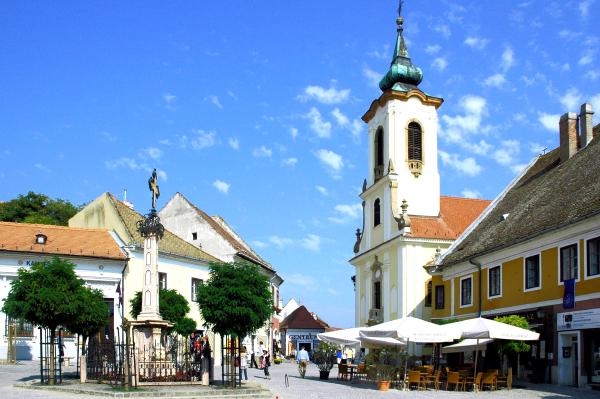
ℹ️ Short answer: Four days is the ideal first visit to Budapest. Spend Days 1–3 in the city (Pest and the Parliament; Buda Castle and Gellért Hill; the Jewish Quarter and a river cruise) and Day 4 on a day trip to Szentendre, 39 minutes away by the H5 train for 950 HUF each way. Buy a 72-hour travelcard (5,750 HUF) for the city days, don’t put the day trip on a Monday, and budget about 70,000–87,000 HUF (€190–240) for sights and transport. Four days in Budapest is the length most first-time visitors wish they’d booked. Three days covers the city properly, and the fourth lets you leave it: a baroque riverside town, a castle ruin above the Danube Bend, or simply a slower day with the museums and baths you rushed past. This plan does three city days, then a day trip that works in any season.
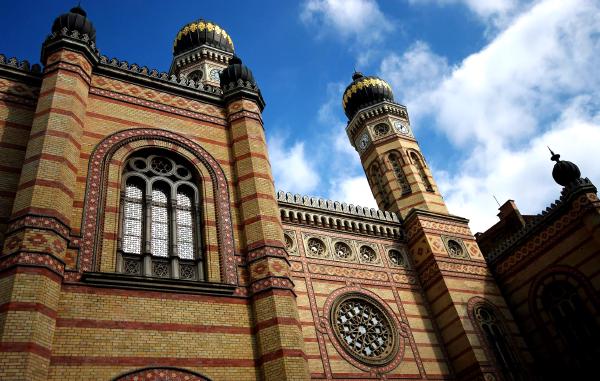
ℹ️ Short answer: Dohány Street Synagogue tickets cost 14,500 HUF (about €40) for adults in 2026, 12,000 HUF for ISIC students and 5,500 HUF for children aged 6–12. The ticket includes the Jewish Museum, the Holocaust memorial garden, the graveyard and a free 45-minute guided tour. It’s closed every Saturday and on Jewish holidays (in autumn 2026: 3–4 October and 1 November). Cover your shoulders and knees, and book online on the official site for fast-lane entry. The Dohány Street Synagogue ticket costs more than a non-EU Parliament tour, and most online guides still quote a price from two years ago. This guide has the current official price, what the ticket actually covers, the seasonal opening hours and closures, and how to see the rest of Budapest’s Jewish Quarter around it.
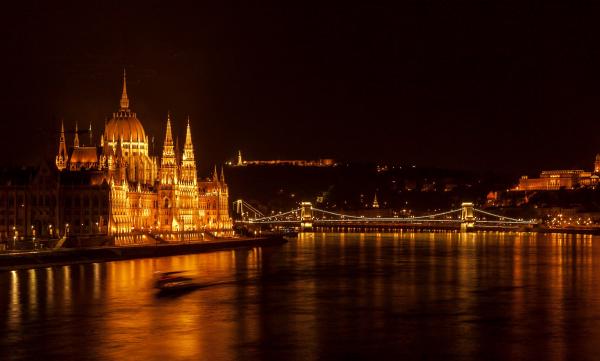
ℹ️ Short answer: The best thing to do in Budapest at night is a one-hour evening river cruise (from about €11), timed between dusk and 22:00, when the city’s landmark lighting switches off in winter (23:00 in summer). Then pick your night: Rudas night bathing (Fri–Sat 22:00–03:00, 15,000 HUF), Sparty at Széchenyi (Saturdays, from €69), the free Citadella viewpoint (open until midnight to October), a folk show or concert, or the ruin bars of District VII. Budapest at night is a different city, and in some ways a better one. The Parliament, the Castle and the bridges are floodlit over the river, the baths stay open late, and the best viewpoints are free until midnight. The only thing working against you is the clock: the landmark lighting goes off at 22:00 in winter, the metro stops around midnight, and the most famous bath for night swimming has been closed since 2025.
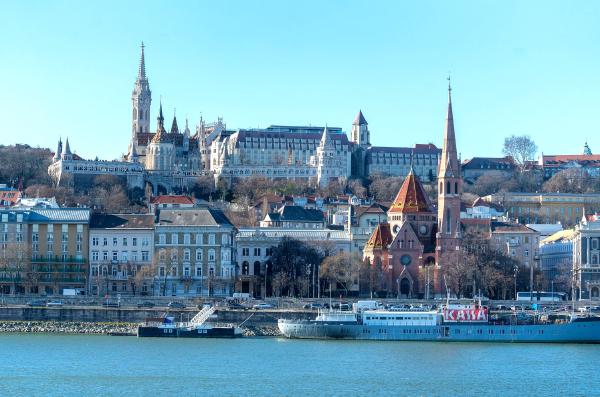
ℹ️ Short answer: Buda Castle is free to walk around: the streets, the palace terraces and the lower level of Fisherman’s Bastion cost nothing. You only pay for what’s inside: Matthias Church 3,400 HUF (about €9), the Bastion’s upper terrace 1,700 HUF (about €5), the National Gallery 5,800 HUF (about €16). Take bus 16 from Deák Ferenc tér rather than the 4,500 HUF funicular. Go before 9:00 to have the Bastion mostly to yourself. Buda Castle sits on a limestone ridge above the Danube, and most of what people come for there is outdoors and free. The confusion is about the rest: which parts of Fisherman’s Bastion cost money, whether the funicular is worth 4,500 HUF, and which of the dozen ticket desks on the hill are worth queuing at.
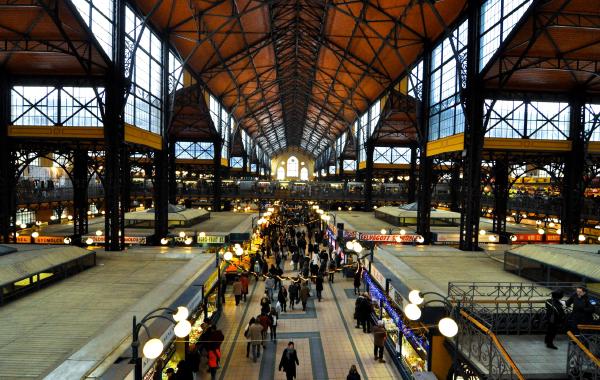
ℹ️ Short answer: Two days is enough for Budapest’s headline sights if you give each day one side of the river. Day 1 is Pest: the Basilica, the Parliament, the Jewish Quarter and Széchenyi Baths. Day 2 is Buda: the Great Market Hall, Gellért Hill, Castle Hill at sunset and a river cruise. Book the Parliament tour weeks ahead, buy a 72-hour travelcard (5,750 HUF) rather than the Budapest Card, and budget about 60,000–70,000 HUF (€165–190) for sights and transport. Two days in Budapest is enough, but only if you stop crossing the river. The mistake most 48-hour plans make is zig-zagging between Buda and Pest twice a day, which costs you an hour you don’t have. This itinerary gives each day one side, uses walking times from BKK’s own journey planner, and tells you where weekends and Mondays will trip you up.
ℹ️ Short answer: For a first visit, book a one-hour evening cruise that leaves around sunset (from about €11 on a paddle steamer, €25 with Legenda). That gets you the riverfront in daylight and lit up in one trip. An unlimited-prosecco cruise (from about €21) is the better night out. A dinner cruise (€79–110) only makes sense if you want a long evening on the water, not a better view. BKV’s daytime tourist boat costs 3,000 HUF (about €8). A Budapest river cruise is the one tourist activity locals don’t sneer at. The Danube really is the best seat in the city, and the stretch between Margaret Island and Liberty Bridge puts the Parliament, Buda Castle and the Chain Bridge in one frame. What’s harder is choosing between day, night, prosecco and dinner, and knowing what 2026 has changed.
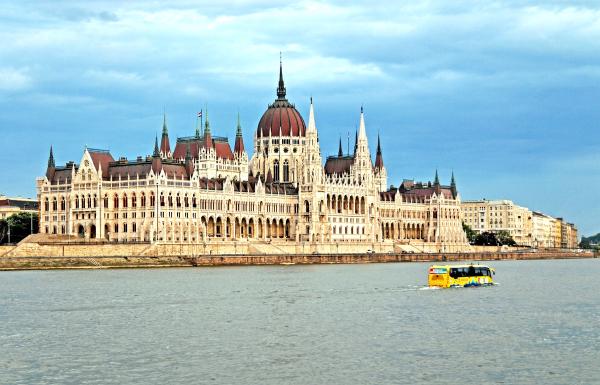
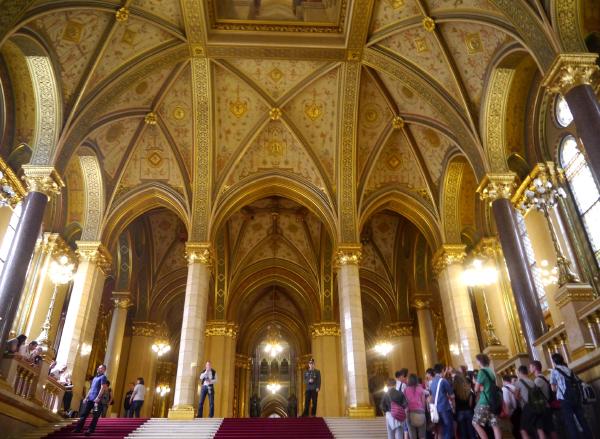
ℹ️ Short answer: Adult Parliament tickets cost 7,000 HUF (about €19) for EU/EEA citizens and 14,000 HUF (about €38) for everyone else in 2026, including UK visitors. Buy them on the official site, jegymester.hu/parlament, and book at least five weeks ahead: on 26 September 2026 every slot was sold out until November. If your date is full, a GetYourGuide ticket costs more but gets you in. Budapest Parliament tickets are the one booking that ruins more Budapest itineraries than any other. That’s not because they’re expensive. It’s because people assume they can buy them the week before. The building takes 45 minutes to see and weeks to get into, and the official site doesn’t make either part obvious.