Plan your Budapest trip without the guesswork. These practical guides cover getting in from the airport, using the trams and metro, money and tipping, daily costs, scams to avoid and the best time of year to go.
ℹ️ Short answer: On a rainy day in Budapest, go to a thermal bath first. Széchenyi’s outdoor pools stay at 36–38 °C whatever the sky does, from 13,200 HUF (about €36) on weekdays. Then go underground (the Buda Castle Caves, Hospital in the Rock or Pál-völgyi Cave) or indoors to the Parliament, the Opera House or a big museum. Most museums close on Mondays, so save the baths, caves and the Opera tour for a wet Monday. Rain in Budapest is less of a disaster than it sounds. This is a city built around hot water, with a hill full of caves and some of the most over-decorated interiors in Europe, so a wet day mostly means swapping the viewpoints for the things you’d have done anyway. The trap is the calendar, not the weather: half the indoor list closes on Mondays.
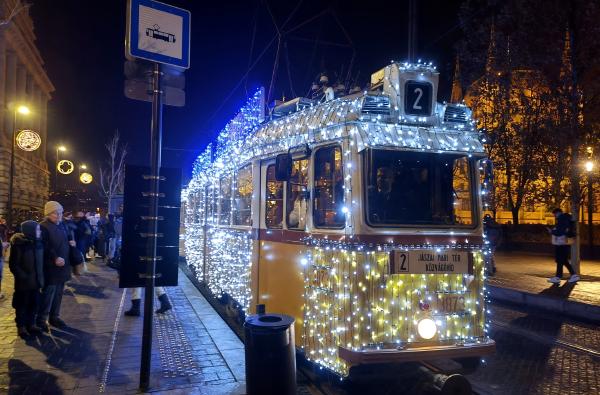
ℹ️ Short answer: Christmas in Budapest is at its best from late November to 23 December, when the markets, light trams, rinks and concerts are all running. Christmas Eve (24 December) shuts the city down by mid-afternoon: shops close by 14:00, Széchenyi closes at 13:00, the Basilica market at 15:00, and transport winds down from around 15:00. On 25–26 December the Basilica market (11:00–20:00) and Széchenyi (10:00–20:00) are open, but most shops and museums aren’t. Plan Christmas Eve around a lunch, a bath and midnight mass. Hungarians do Christmas at home, on the evening of the 24th, which surprises visitors who expect the city to party through it. The weeks before are the opposite: Budapest at Christmas means mulled wine on Vörösmarty tér, trams wrapped in fairy lights, the Nutcracker at the Opera and steam rolling off Széchenyi’s pools into the dark at 16:00.
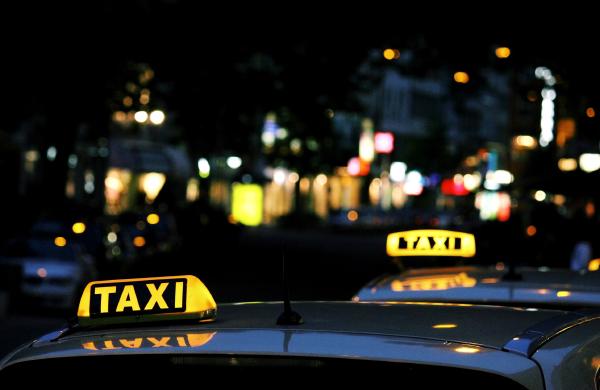
ℹ️ Short answer: Yes, Budapest is safe. The US State Department rates Hungary Level 1 (its lowest), and the 2026 Global Peace Index puts Hungary 15th of 163 countries. What goes wrong for visitors is almost always about money: pickpockets on crowded transport, bars that overcharge tourists and pressure them to pay, unlicensed taxis and poor exchange rates. Drink only where you chose to go, use a yellow licensed taxi or an app, and pay in forints. In an emergency, call 112. Is Budapest safe? For your body, very; for your wallet, mostly, provided you know the four or five ways visitors actually get caught out. None of them involves dark alleys. They involve a charming stranger who knows “a great bar”, a taxi that isn’t really a taxi, and a card machine offering to charge you in your home currency.
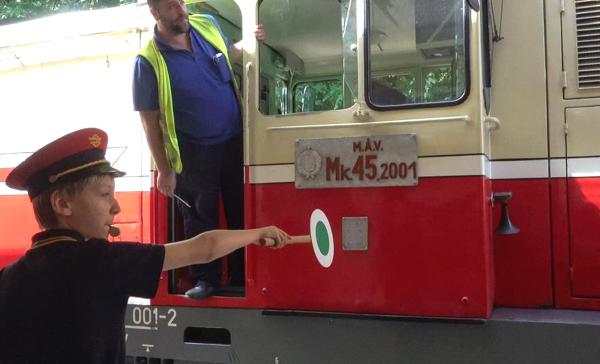
ℹ️ Short answer: Budapest with kids works best in three days: Day 1 in City Park (zoo and a free playground), Day 2 on Castle Hill (a cave tour and a daytime river cruise), Day 3 in the Buda Hills and on Margaret Island (the Children’s Railway, the chairlift and Palatinus Strand). For a family of four with children aged 7 and 10, budget about 108,000–161,000 HUF (about €295–440) for transport and sights. The big rule: Széchenyi and Rudas don’t admit under-14s, so Palatinus is your bath. The first thing to know about Budapest with kids is that the city’s most famous experience is off limits to them: Széchenyi Baths stopped admitting under-14s on 1 August 2025, and Rudas doesn’t take them either. The rest is good news: a big zoo next to that bath, a railway run by children, caves under the city, and a bath on Margaret Island that welcomes families.
ℹ️ Short answer: Choose Budapest for thermal baths, the Danube and nightlife that runs until 4:00; choose Prague for a compact medieval old town and beer halls. One city, three or four days, first trip? Budapest, narrowly. Costs are closer than people claim: a 72-hour travelcard is 5,750 HUF (about €16) in Budapest and 350 CZK (about €14) in Prague, but Budapest’s headline sights cost more. With a week, do both: direct trains every two hours, about 6 h 50 min, from €30. Budapest vs Prague is closer than either city’s fans admit, so here’s the verdict first: pick Budapest for the baths, the river and late nights, and Prague for its medieval old town and its beer. If you’re visiting one of them for the first time with three or four days, Budapest wins by a nose, because it gives you more kinds of day. With a week, you don’t have to choose at all.
ℹ️ Short answer: A Budapest trip costs about 15,000–25,000 HUF (€40–70) per person per day on a hostel budget, 35,000–70,000 HUF (€95–190) mid-range with a shared 3- or 4-star room, and 70,000 HUF (€190) and up for a comfortable trip, before flights. The big tickets set the budget: Széchenyi Baths 13,200 HUF, the Parliament 14,000 HUF for non-EU visitors (7,000 HUF for EU/EEA), and a 72-hour travelcard 5,750 HUF (prices as of October 2026). Food and transport are still cheap. The sights and the hotel are where the money goes. The usual line on Budapest trip cost is that the city is cheap. Half true. A lángos is 2,490 HUF (about €7) and a 72-hour travelcard 5,750 HUF (about €16). Then you buy a weekend bath ticket at 14,800 HUF and the “cheap city” story gets quieter.
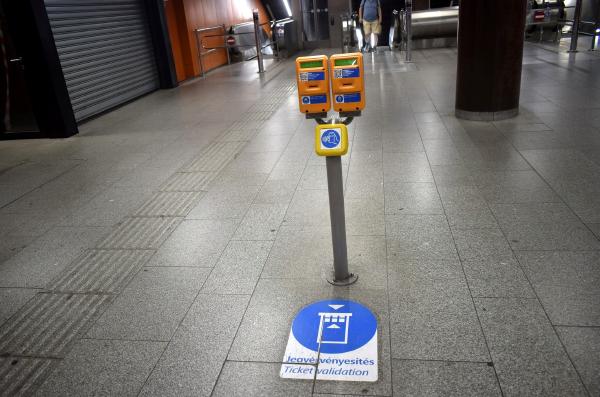
ℹ️ Short answer: Budapest public transport costs 500 HUF (about €1) per single ticket, 2,750 HUF (€8) for 24 hours and 5,750 HUF (€16) for 72 hours, as of October 2026. If you’ll ride more than five times a day, buy the travelcard; if you walk most places, tap your bank card at the metro gates and buy singles for the rest. Contactless only works on the metro and the 100E airport bus, not on trams or ordinary buses. Budapest public transport is cheap, frequent and slightly more complicated than it needs to be. The metro takes a tap of your bank card, the tram next to it doesn’t, and a single ticket stops being valid the moment you change from a bus to a tram. None of that is hard once you know it, and most of the guides ranking for this still quote the old prices.
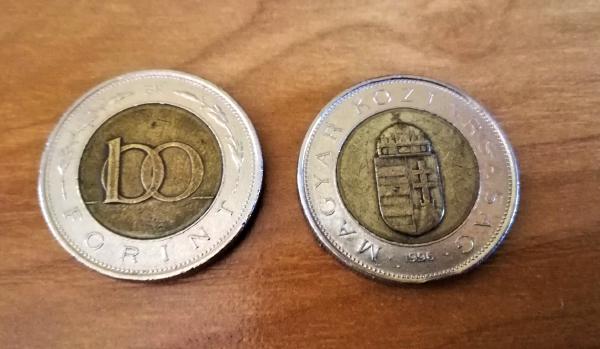
ℹ️ Short answer: Budapest uses the Hungarian forint (HUF), not the euro: about 366–368 forints to €1 in early October 2026. Pay by card almost everywhere, and when a terminal or ATM offers your home currency, always pick HUF. Use a bank ATM, not a freestanding one, and skip euro cash: places that take it set their own rate. Before tipping, check the bill for a service charge (szervizdíj) of up to 15%. If it’s there, you’re done. If not, leave about 10%. The Budapest currency is the forint, and the one decision that costs visitors real money takes about two seconds: the moment a card machine asks “HUF or EUR?”. Pick the wrong button a dozen times over a long weekend and you’ve paid for a dinner you didn’t eat. This guide covers that button, which ATMs to use, whether euros are worth carrying, and the tipping rules that confuse almost everyone, because half the bills in town already include the tip.
ℹ️ Short answer: The best time to visit Budapest is May or September. Both average highs of about 22.5 °C, the days are long, and everything seasonal is running. For the lowest prices and emptiest sights, go in January or February: Budapest’s hotels and guesthouses logged about 690,000 guest nights in each in 2025, against 1.17 million in August. Avoid August and the second half of December unless you’re coming for Sziget, St Stephen’s Day or the Christmas markets. The best time to visit Budapest is not when most blogs say it is. In 2025, October and December were both busier than July, so the “quiet shoulder season” is mostly a myth: Budapest is busy most of the year and properly quiet for two months. Below, every month is judged on HungaroMet’s official climate normals and the statistics office’s (KSH) guest figures, not guesswork.
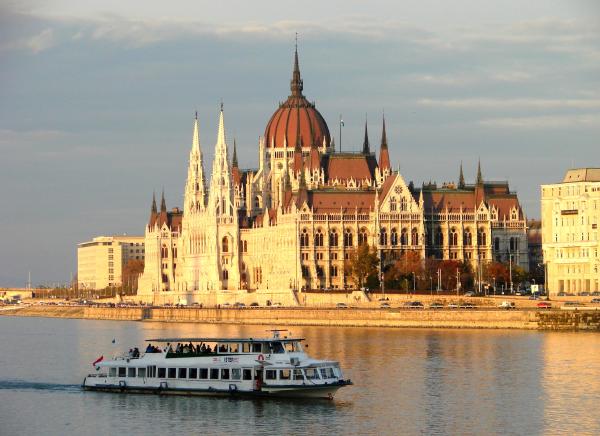
ℹ️ Short answer: One day in Budapest is enough for the essentials if you walk it in one line: St Stephen’s Basilica → the Parliament → the Danube promenade → the Chain Bridge → Buda Castle → Fisherman’s Bastion at sunset → an evening river cruise. Book the Parliament tour ahead, because official slots sell out weeks in advance. Skip the thermal bath: there isn’t time for it and Castle Hill. The route costs about 31,000 HUF (€85) with the Parliament tour, or about 17,000 HUF (€46) without it. One day in Budapest works surprisingly well, because the city’s big sights line up along the river. The trick is doing Pest in the morning and Buda in the afternoon, so you reach Fisherman’s Bastion as the sun sets over the hills behind you and turns the Parliament gold across the water. Then you see the whole thing again, lit up, from a boat.
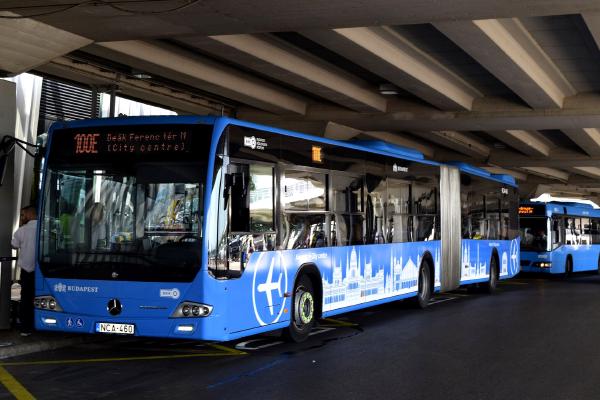
ℹ️ Short answer: Take the 100E Airport Express: 2,500 HUF (about €7), around the clock, about 40 minutes to Kálvin tér, Astoria and Deák Ferenc tér, and you can pay by tapping your bank card on board. With a 24- or 72-hour travelcard, take the 200E bus + M3 metro instead, which the pass covers. A taxi costs roughly 13,000–16,000 HUF (€36–44) to the centre. Uber and Bolt both work, at the same regulated fare. Getting from Budapest airport to the city centre is simpler than most guides make it, and more expensive than the ones written before 2025 say. The 100E bus is the answer for nearly everyone. The exceptions are travellers with a travelcard, groups of three or four who’d pay less in a taxi, and anyone landing at 1:00 with a suitcase and no patience left. This guide compares every option with the 2026 fares from BKK and Budapest Airport, and tells you which one to pick.
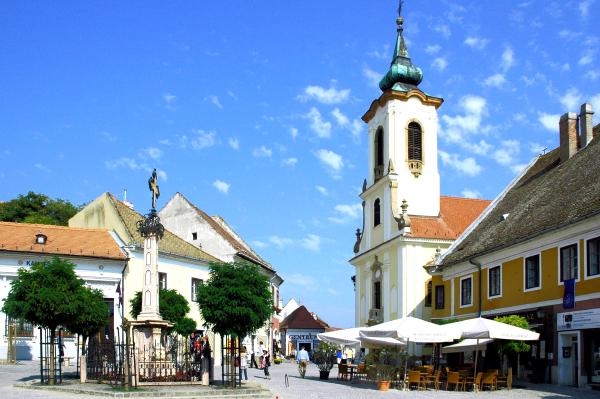
ℹ️ Short answer: Four days is the ideal first visit to Budapest. Spend Days 1–3 in the city (Pest and the Parliament; Buda Castle and Gellért Hill; the Jewish Quarter and a river cruise) and Day 4 on a day trip to Szentendre, 39 minutes away by the H5 train for 950 HUF each way. Buy a 72-hour travelcard (5,750 HUF) for the city days, don’t put the day trip on a Monday, and budget about 70,000–87,000 HUF (€190–240) for sights and transport. Four days in Budapest is the length most first-time visitors wish they’d booked. Three days covers the city properly, and the fourth lets you leave it: a baroque riverside town, a castle ruin above the Danube Bend, or simply a slower day with the museums and baths you rushed past. This plan does three city days, then a day trip that works in any season.